Our Strategic Programs for Impact
Healthcare Delivery & Support
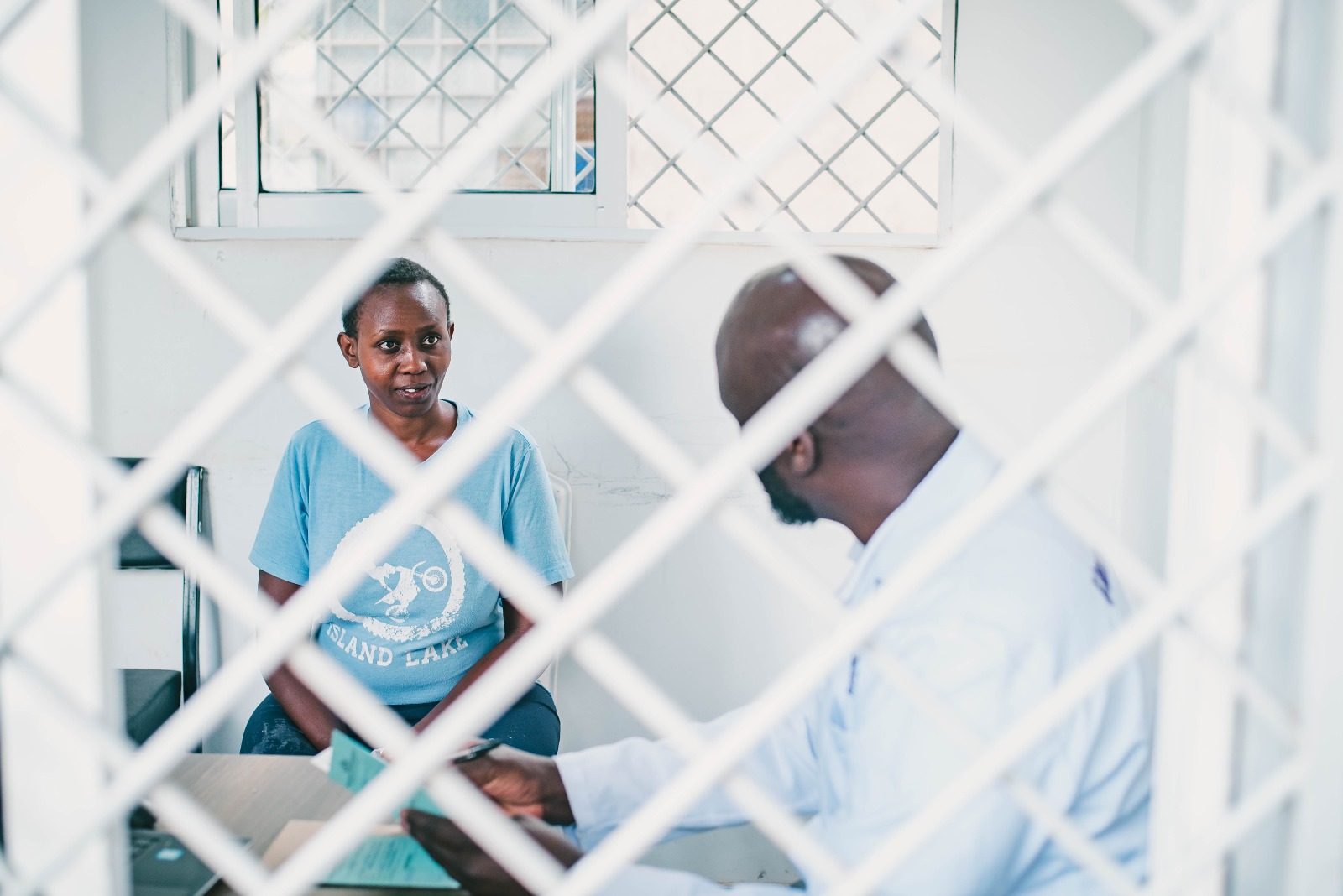
We empower primary healthcare workers,including Nurses, Clinical Officers, and Therapists,to adequately manage epilepsy within their own communities. By disseminating the Kenya National Guidelines, we enable these professionals to screen, diagnose, and implement treatment plans effectively.
Currently operating through 4 KAWE-run and 21 affiliated clinics, we are working toward a strategic milestone of 80 supported clinics to close the treatment gap.
Knowledge & Awareness
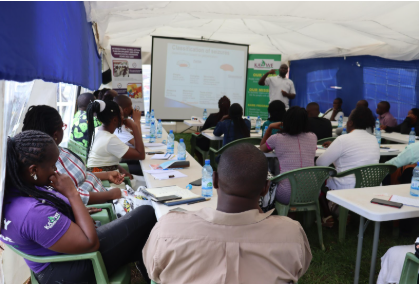
Our program equips Community Health Volunteers (CHVs) with the tools to debunk myths and mobilize their neighborhoods. We focus on ensuring the public knows that treatment is affordable, while training volunteers to identify cases and ensure drug compliance through home visits.
Targeting 750 trained volunteers and a 20% increase in public awareness to replace misconceptions with medical facts.

Influencing & Partnerships
Through expanding partnerships with County Departments and other organizations, we strive to establish a seamless referral network. This reduces the distance and cost of travel for patients and their carers, making epilepsy services a standard part of public health.
Standardizing healthcare practices nationwide and facilitating patient access to quality, affordable Anti-Epilepsy drugs.

Institutional Development
To deliver cutting-edge education and care, KAWE continuously strengthens its own resource base. We invest heavily in Board and Staff capacity building to improve organizational performance and diversify our funding for long-term sustainability.
Building a resilient institution that can provide integrated health services that are both effective and sustainable for the long haul.